It’s a peculiar and unsettling phenomenon, the way pain can play hide and seek with the sun, only...
Read MoreOvarian Cyst Miracle Review
The Ovarian Cyst Miracle program is not simply a program for relief from ovarian cysts, but rather a comprehensive guide for eliminating ovarian cysts. While this goal may seem daunting at first, the program is designed to help women achieve permanent freedom from ovarian cysts.
Carol Foster’s program pays attention to every aspect necessary for attaining permanent freedom from ovarian cysts. Rather than simply addressing the symptoms, the program offers a holistic approach to managing the root causes of the condition. By providing a comprehensive discussion of the myths, lies, and fallacies surrounding ovarian cysts, as well as the best information about holistic health, the program provides women with the tools they need to achieve lasting relief from ovarian cysts.
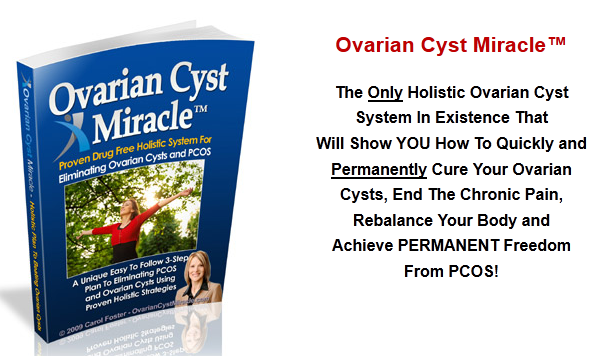
The Ovarian Cyst Miracle program is a comprehensive 150-page eBook that offers natural treatments for ovarian cysts. Unlike other treatments that rely on prescription medications with potentially harmful side effects, this program provides a safe and natural alternative.
At the core of the program is a 3-step system that is designed to help women eliminate ovarian cysts quickly and effectively. The author, Carol Foster, provides a comprehensive overview of the steps and takes readers through each detail in an organized and easy-to-follow manner. The program includes checklists and charts that make it easy to track progress and stay on track with the treatment plan.
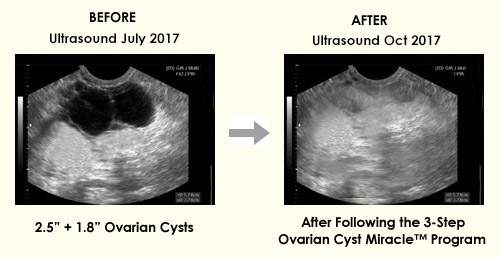
The program does not offer a quick or easy fix. It is a holistic approach that addresses the root causes of Ovarian Cysts (regardless how severe) and permanently eliminates PCOS.
This takes persistence and hard work and there’s no quick fix.
The Ovarian Cyst Miracle program is an excellent option for anyone seeking a permanent solution to their ovarian cysts. This program is suitable for anyone who wants to learn the truth about ovarian cysts and PCOS, and is willing to make lifestyle changes to achieve freedom from these conditions.
The program requires dedication and hard work, but those who commit to it will find that it is one of the best investments they can make for their health and wellbeing. By providing a natural and holistic approach to managing ovarian cysts, the program offers a safe and effective alternative to conventional medical treatments. Whether you are dealing with ovarian cysts or PCOS, the Ovarian Cyst Miracle program can help you achieve long-term relief and optimal health.
Ovarian Cyst Miracle is only available online at ==>>Carol’s Official Website.
==>Click Here To Download ebook
(Comes with a 60 Days 100% Money Back Guarantee)